Common scenarios in Charleston homes
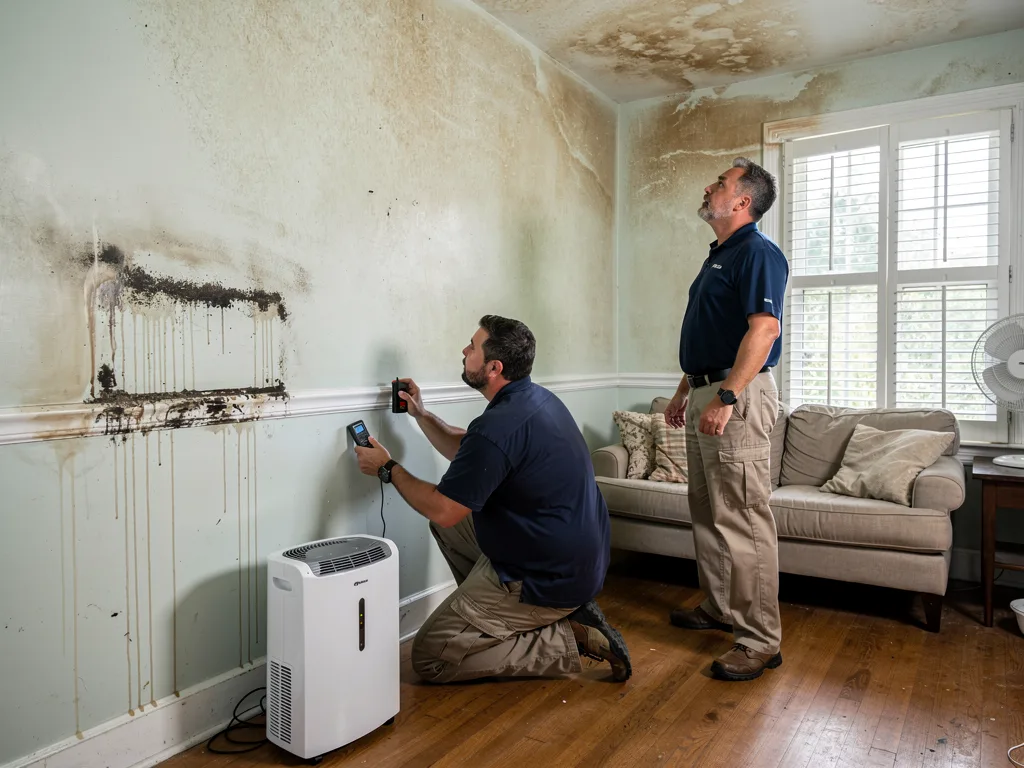
Drying a small area with a dehumidifier and a fan can help with surface moisture, but that may not reach hidden saturation behind walls. Our team uses moisture meters and infrared imaging to map the full extent of the issue, not just what’s visible.
What you can DIY safely
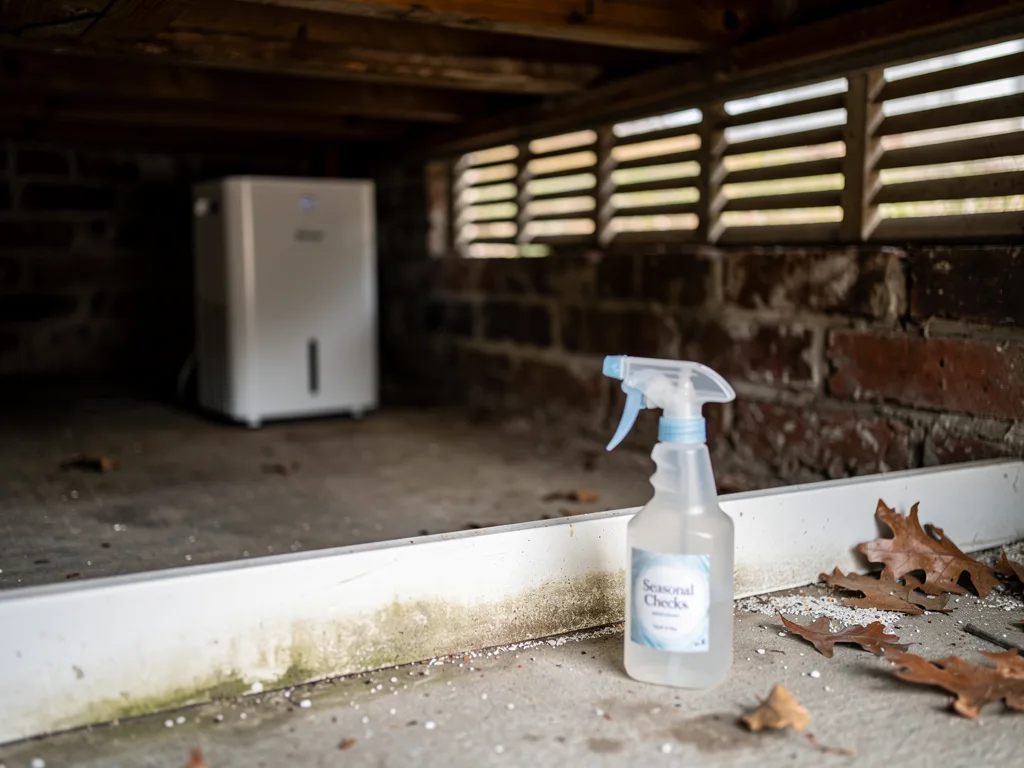
Small, contained spills on non-porous surfaces can be cleaned with standard cleaners. If you can remove water quickly from a cleanable surface, you’re likely ok to proceed with drying fans and ventilation. Avoid using heat to dry damp walls or floors; uneven drying can trap moisture and cause warping.
Keep important items away from the affected area, and document the space with photos. If there’s standing water, or if you notice a musty smell that lingers after drying efforts, it’s a sign to call in a pro.
When to call a restoration specialist
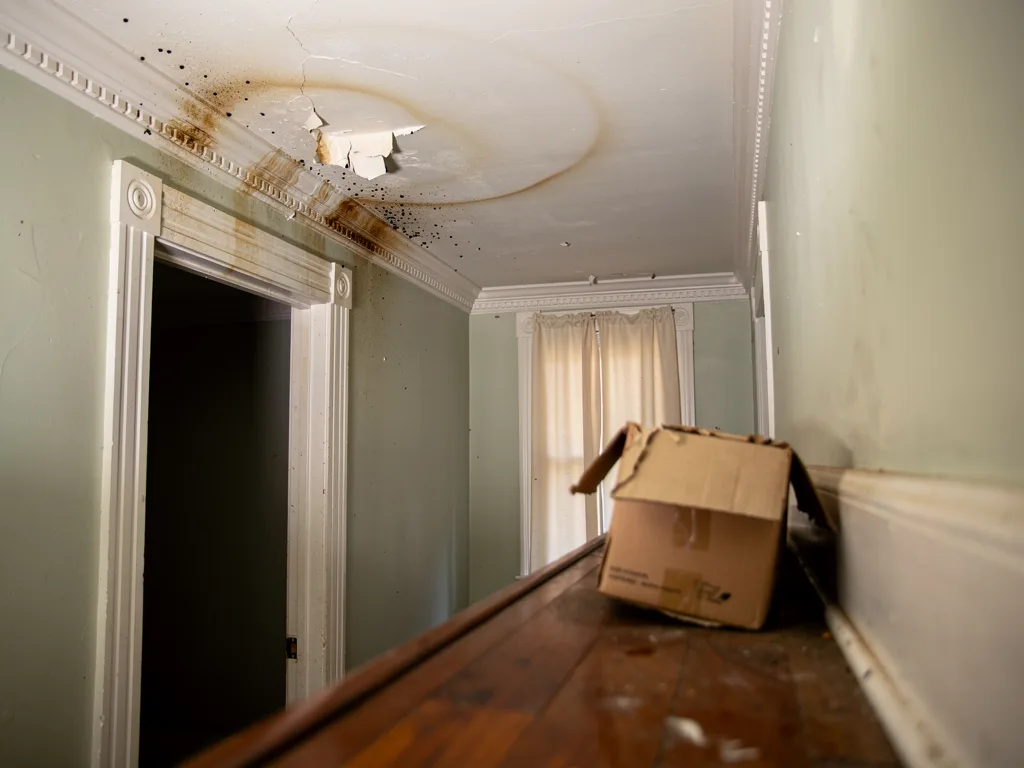
Call if moisture remains after 24 hours of drying, if you see peeling paint or soft spots in walls, or if you suspect mold growth. In Charleston, high humidity can complicate drying. A pro will assess humidity levels, locate hidden moisture behind walls, and determine a careful drying plan that prevents further damage.
We also step in when there’s potential damage from storm events or sump pump failures. Our restoration specialists coordinate drying, material stabilization, and safe cleanup with you in mind.
What to expect from a pro assessment
The initial visit includes moisture mapping, a path to drying, and a written plan. We’ll explain what equipment will be used and how long the process typically takes. We avoid vague promises and focus on concrete steps and practical timelines.