What homeowners should notice first
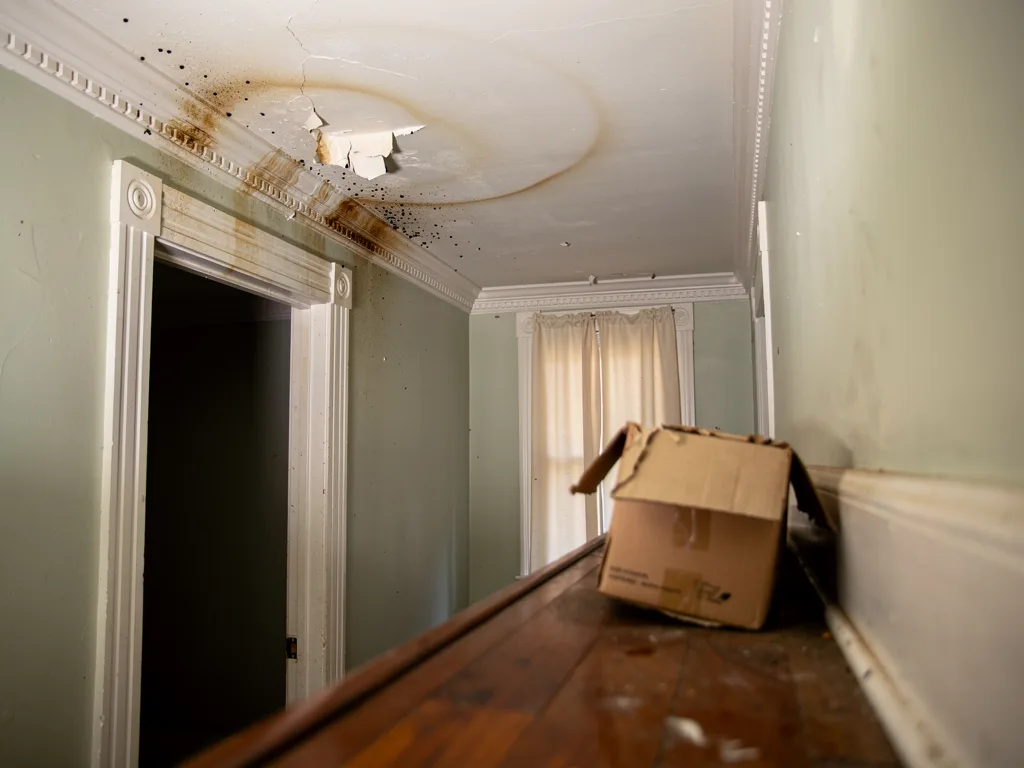
Water issues don’t always shout. In Charleston, the signs are often quiet and easy to miss. A musty smell, damp corners in closets, or paint that peels without a clear cause can all point to unseen moisture. Our restoration specialists at Charleston Water Damage Group regularly find these indicators in living rooms, basements, and crawl spaces after a heavy Charleston rain or high tide event.
Look for cool, damp patches on walls or ceilings, especially on the north or shaded sides of the house where air flow is limited. Buckling floors, soft spots under carpets, or grout that stays damp long after a cleaning can be clues as well. Even a visible change in texture or color on drywall can mean hidden saturation behind the surface.
Why these signs matter in Charleston
The local climate means humidity and occasional flooding can interact with your home materials in ways that aren’t obvious. Rising groundwater, seasonal rain, and storm surge can push moisture into basements and lower levels. If you notice any of the signs above, it’s time to call our restoration specialists to assess and plan the right next steps.
Left unchecked, small damp spots can lead to deeper issues like mold growth or structural softening. A quick, careful evaluation by Charleston Water Damage Group helps map out where moisture is coming from and how to stop it at the source.
What to expect when you call
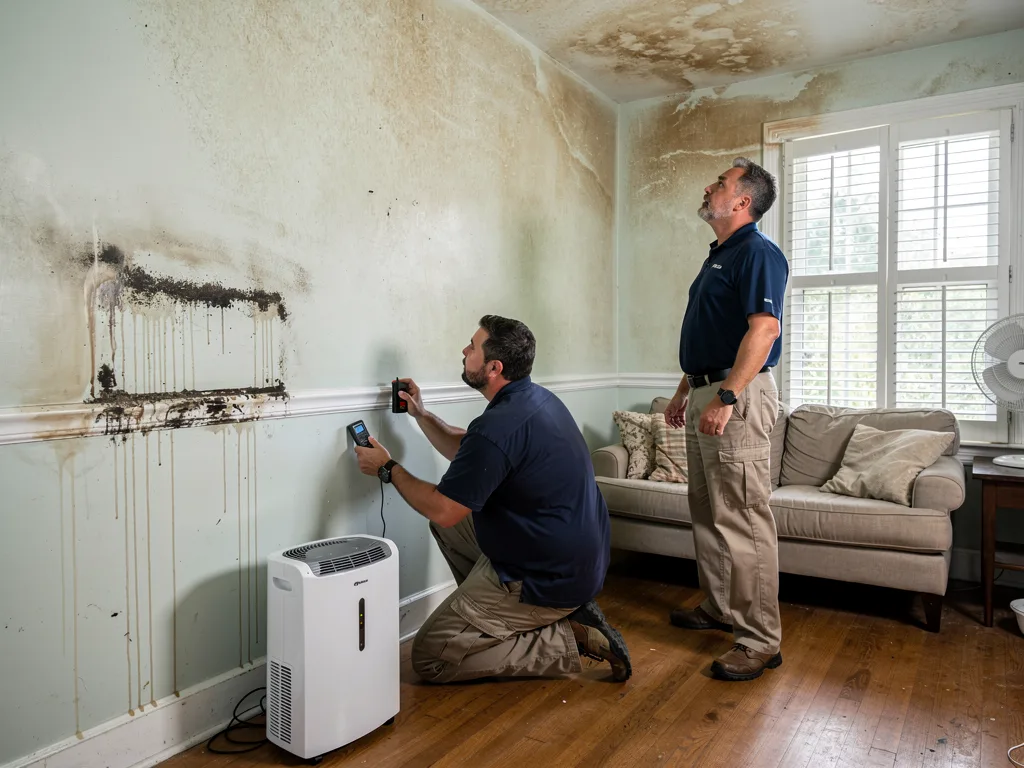
We start with a careful, no-pressure assessment. A restoration specialist will identify moisture sources, check humidity levels, and determine whether fast action is needed. In many Charleston homes, the goal is to dry the area, prevent further damage, and document findings for your records.
From there, we outline practical steps you can take and what a full follow-up plan would look like. Our team focuses on clear communication, honest assessments, and actions that protect your home without creating new hazards.
Practical next steps
1) Note any damp spots or odors and jot down dates of when you noticed them. 2) If safe, shut off the source of water and avoid touching affected materials. 3) Call Charleston Water Damage Group for a professional evaluation. 4) Keep receipts and photos of the area to help with insurance or records.
What a typical assessment covers
A restoration specialist will examine affected materials, measure humidity, check for hidden moisture behind walls, and assess ventilation. The goal is to understand the extent of saturation, identify sources, and plan a drying strategy that stabilizes the space.
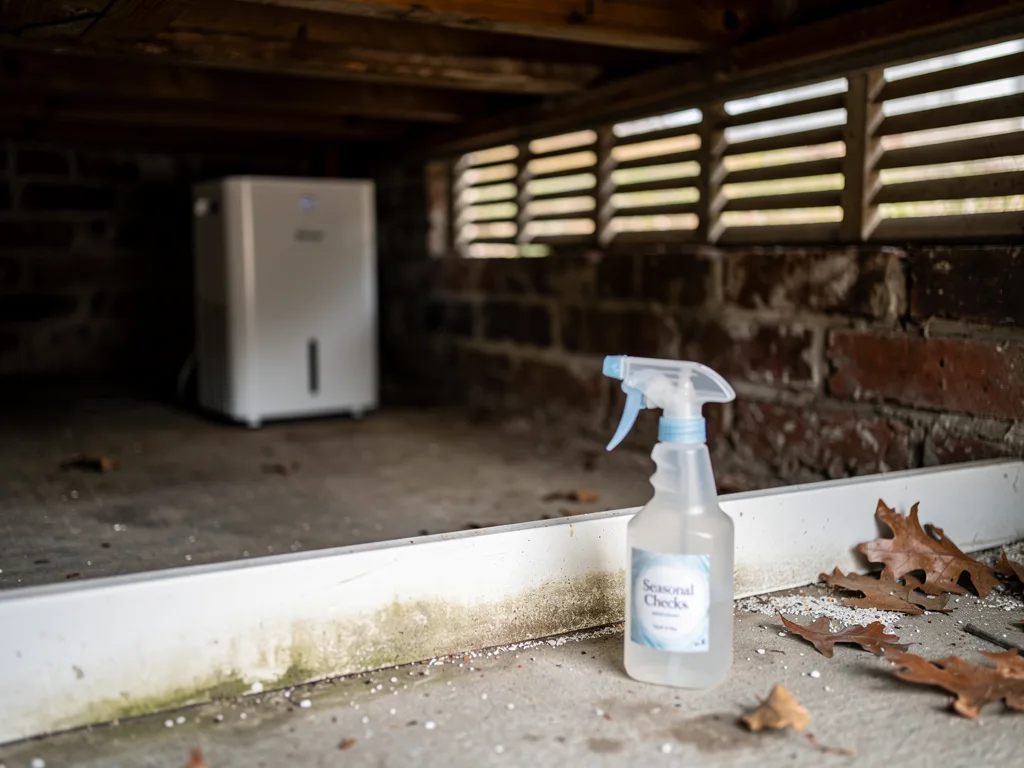
We tailor the plan to Charleston homes, considering crawl spaces, basements, and first-floor living areas. Our approach emphasizes safety and thoroughness without unnecessary delays.